



Kathmandu, June 18 : Nestled at the foothills of Shivapuri in the northernmost part of the Kathmandu Valley, Budhanilkantha stands as one of Nepal’s most revered and visually striking religious sites. It is home to the largest stone statue of Lord Vishnu in the country, depicted reclining peacefully on a bed of serpents in the center of a sacred pond.
Carved from a single five-meter-long block of black stone, this remarkable sculpture dates back to the ancient Lichchhavi period. The image of Lord Vishnu lying on the coils of the multi-headed Sheshnag (divine serpent) has captured the spiritual devotion of millions over the centuries.
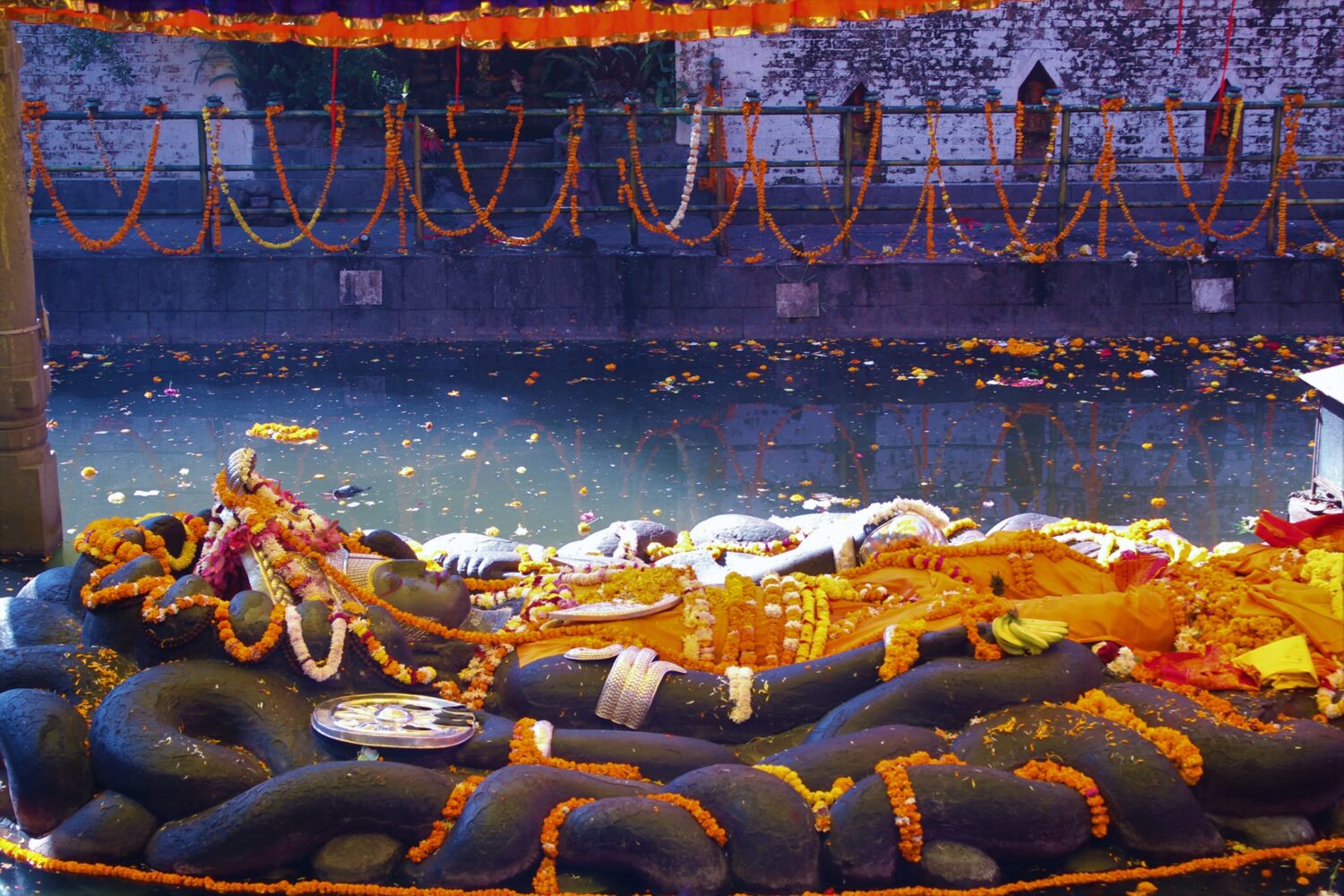
According to local legend, the statue was discovered by a farmer who, while plowing his field, struck a rock that began to bleed. Startled and curious, he dug deeper and uncovered the magnificent image of Lord Vishnu, long buried under the earth.
Two major festivals, Harishayani Ekadashi and Haribodhini Ekadashi, are celebrated with grand fervor at Budhanilkantha. These occasions mark the four-month period during which it is believed Lord Vishnu goes into a deep cosmic sleep and later awakens. Thousands of devotees flock to the site to offer prayers, flowers, and devotion during these spiritual events.
Getting There:
Budhanilkantha lies just 9 kilometers north of Kathmandu city center and is easily accessible via regular microbus and local transport services.
Note for Visitors:
Guests are encouraged to maintain cleanliness, observe silence, and respect the sanctity of the temple grounds during their visit. Budhanilkantha is not just a site of worship; it is a cultural and spiritual heritage that belongs to all.
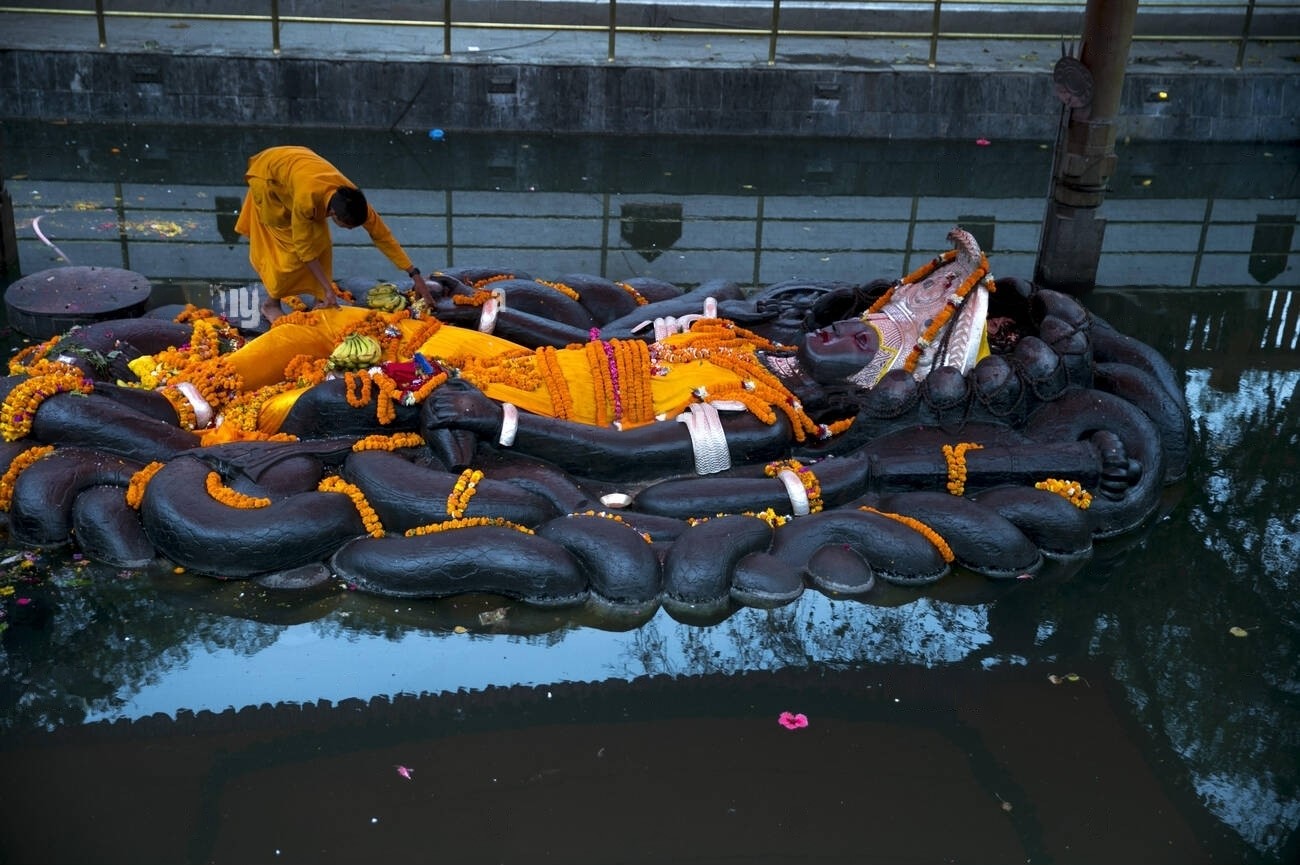
Visual Suggestion:
You may include photos of the reclining Vishnu statue, devotees during the Ekadashi fairs, and the serene background of Shivapuri hills for enhanced visual appeal. Let me know if you'd like a version for social media or a promotional caption.

